In spite of our best efforts, creative endeavors don’t always turn out the way we would have hoped, as recreating miracles can be an impossible feat.
That doesn’t stop some from trying, however.
Luckily, that isn’t always the case, and we, the collective, are treated to something a bit more colorful and creative as a result of resilient passions and resounding gumption.
There is definitely something to be said of originality in this day and age, and how a lot of the new creativity that is generated surmounts to ideas inspired by, borrowed from, and (jokingly) referred to as straight up theft by the talented minds that see their worth. Author Herman Melville (Moby Dick) was quoted as saying “it is better to fail in originality, than to succeed in imitation”, and you’ll often hear the old wisdom that we stand on the shoulders of giants, in our march forward to help build a better future using elements of the past. With all of this wisdom to consider, and understanding that creative minds are really an amalgamation of past experiences that congeal in creating the genesis for a brand new tomorrow, looking at a game like to a T, one has to conclude that creator Keita Takahashi has had quite the imaginative journey throughout his artistic career.
Tried and true talent translated through technological tenacity
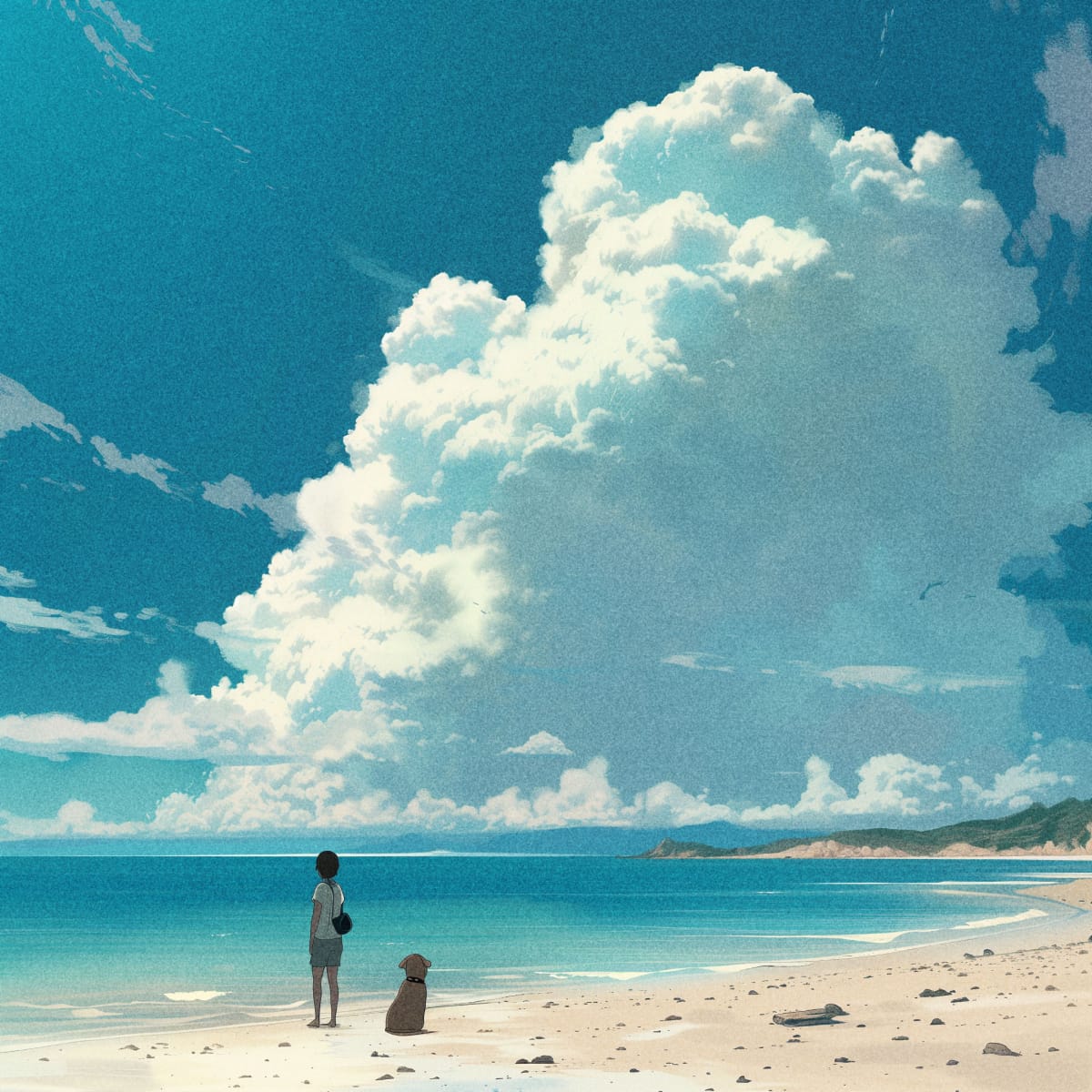
A game as marvelously off-beat as to a T has a likely source of origin from a man who was the lead on the wackiness that was Katamari Damacy, and he uses that colorful history to his advantage, in making an experience with which to puzzle gamers in a myriad of magically mundane manners. “to a T” has a much greater angular approach involved, in comparison to Takahashi’s more orbicular outings , as the premise for to a T revolves around a 13 year old teenager who is perpetually stuck in a “T” pose, and explores the insanity that follows suit. Striking a balance between soft-slapstick and genuine social commentary, through the lens of a 3D narrative adventure, one that focuses on the anxiety that comes with being different. The game boasts a surprisingly down to earth take on everyday problems that both kids and adults can relate to, packaged in a quirky, more easily digestible manner.
Likely more geared towards the impressionable minds of youthful standing, not to dismiss the idea that adults can’t relate, however, but more likely so would be the ones who haven’t loss touch with their adolescent self being the likely candidates of relatability
I think one of the truly surprising things about to a T is the games unabashed nature of being itself. This is a title that truly isn’t chasing any trends, not aping any popular concepts, and isn’t attempting to check any demographic boxes needed to be shown to the largest majority of onlookers imaginable. I suppose the game does go for some low hanging fruit by having a cute dog front and center, but I believe that to complain about such a thing would be not too dissimilarly likened to a psychotic act of war.

He’s a good dog, Brents of the world.
T feels very much like a personal statement, and a passion project that had the luck and audacity to see it’s way to completion by a confident creative, and a team that helped to make it happen. I think there’s equal parts luck as there is hard work to have made something like T to become known on any grand level, and I can’t imagine how many similar attempts at making anything with the same level of authenticity have unfortunately failed in the process. More often than not, resisting the game of “playing ball” by replicating popular design concepts is a deathknell, and sticking with a perpetual state of sequelitis or endless follows ups with cookie cutter basics is the pomp and circumstance of the everyday. To a T thankfully dodges that repetitive bullet, and has a lot of winsome individuality as a result.

The rare kind of game that makes talking unicycles totally work as a compelling narrative vehicle of value
Don’t misunderstand me: it’s not as if you will be treated to some jarringly abstract equivalent of absurdist alienation when grappling with the title; akin to some cosmic horror show not unlike the mind shattering divinity one may expect from gazing upon the visage of an angel that has descended from the realms of divine impossibility; to a T is a video game after all, and has common elements identifiable within the medium: control methodology, familiarly simulated visuals with friendly art style to boot, goals to chase, the segmentation of areas to stumble your way through, even mini-games to be had. My reinforcement of it’s novelty is more in the vein of being staggered by a new metaphorical dialect I had not previously encountered. To wit; in the creation of a new form of communication, a freshly engineered language born from unfamiliar tongue, one will still hear commonality attributed to the basics of the transmission peculiarities which lay the foundational groundwork of recognition: tis’ the sui generis of signature sounds and audacious articulations apprehensible henceforth and thereafter that enraptures the senses par excellence…
…tl;dr for my aforementioned thought: the game is downright, god damn, totally and marvelously out there is what I was trying to say…but in a good way.
…thank you for understanding…
While the theme of the game is indeed one centered around being a social outcast, and the trials and tribulations of navigating a world one would expect in such a mode of existence…and one of magical surrealism mind you, but a world presenting the challenges of the everyday non the less, to a T never makes harsh light out of the main characters inability to put their arms down. The laughs are many, with intentionally pleasant moments of physical comedy and visual gags, but the playable avatar is never the butt of the jokes. 
Refreshingly rare moments of genuine, heartfelt optimism in the form of celebratory body positivist messaging through the guise of musical numbers help underpin the genuine nature of a game like to a T, in a market of extraordinarily cynically driven, cash-grabbing, repetitive monotony
Calling upon the likes of other novelty games sharing some similar DNA, at least within the metaphysical pretense of indie titles involving “ambulatory restricted” protagonists with which to control, ala Octodad, I am Bread, QWOP, or even Getting Over It with Bennet Foddy, to a T definitely takes it’s time to craft a compassionate narrative out of the struggles of who the player inhabits, and creates a genuinely touching adventure exploring mindfully mature themes related to anxiety, insecurity, self-esteem, dysmorphia, bullying, and even existentialism as you navigate through the school days of a teen that is in no way implied to be less than, in comparison to his more able bodied contemporaries, and possesses a great deal of virtuous admirability in confronting the face of trivial inanity you or I may take for granted, but represents a herculean strength of patience for a world who was not built for them.
Just give yourself to dance
I will most assuredly share my final conclusions with a follow up, once I’ve finished the title in it’s entirety.
~Pashford
Leave a Reply