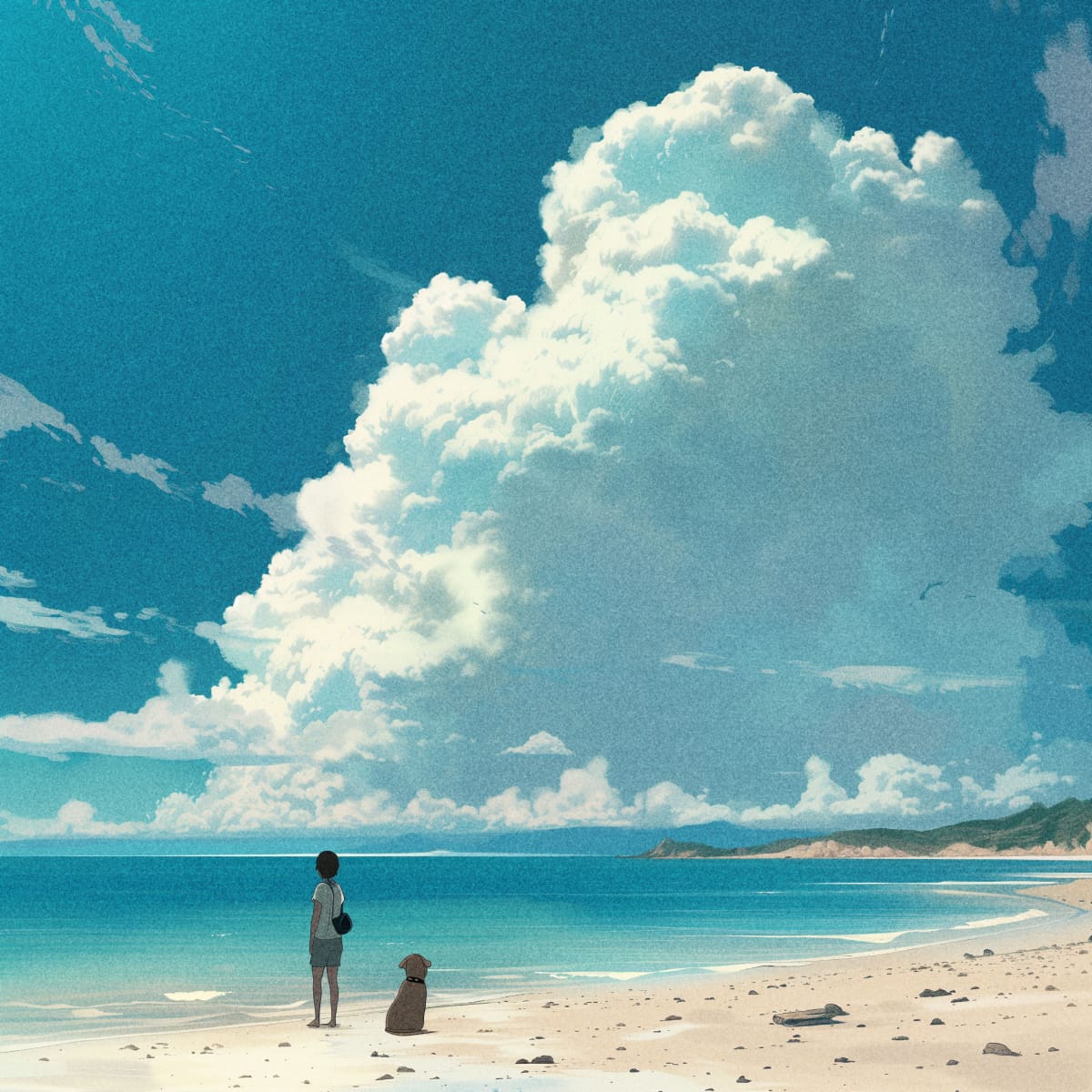
(***SPOILERS***…kind of?)
(Credits for the header image go to the FB page Game Base)
(Tl;dr video companion for this article):
As far as all time best experiences go, and quite ironically so, existence itself is not at the top of my list.
Many design flaws, too many easily activated fail states, awful mission objectives, NPC’s ruin the experience
Luckily, we have a couple of real contenders to talk about today to take our mind off of the bummer that is adulting. To that point, as we did near the final minutes of yesterday, so ended our adventure in Hyrule as well, after Link introduced Ganon to the business end of the blade of evil’s bane, by shoving it directly into his fucking face. However, as any Zelda fan can tell you: just because the last boss is dead, doesn’t mean there’s nothing left to do. I guess that sentiment rings true for the majority of games these days though, as “end game” content has been all the rage for a hot minute now, as keeping the player engaged is the pathway to getting the most out of already made content, and represents a bridge of compromise, in a charitably patient way of shared focus to fill the void until some DLC drops, circumstances given. 
We can only stab a shit gargling pig bitch in the face so many times before it loses its magic
However, it felt appropriate to mention post credits content, since the original Legend of Zelda was one of the first notable examples (I can’t say definitively if it was the first, as there was a good decade of popular gaming that came before it, some of it comprised of quite obscure PC games at this point), to introduce gamers to the notion of “second quest”, where a whole other…essentially game, albeit a remixed version of the original, awaited the player. Sadly, Nintendo did not include the “Master Quest” mode in the remake, the one of which I reference originally came as a bonus on a preorder disc (In America, at least) circa the Gamecube era, in the run-up to Wind Wakers launch. In spite of Master Quest being M.I.A at launch, they may be waiting to indeed, release it as DLC. Fingers crossed.
Come on, Nintendo; don’t leave money on the table about something so simple: you like profit, we like Zelda, match made in heaven
That aside, there remain plenty of extras, secrets, collectables, and mini-games to enjoy in the land of Hyrule, so I thought I would just poke around a bit, as I usually do a wrap up article after I beat a game and write about it here on ATE, and see if I can’t summon any final summation covering topics of interest I wasn’t able to cover during my first run through pre-credit roll. Honestly, based on the resonating response to my last article and the awesome turnout it seemed to evoke (which makes me extremely gratified, so thank y’all for the support), I should have probably just washed my hands of the Ocarina Remake (OoTR), ended on a high note, and started packing some bags for my immediately impending trip to Vice City. However, one can’t rest on their laurels, and there yet remain some thoughts that still linger about OoTR dwelling within me, so let’s enjoy our victory lap in Hyrule, before moving on to the biggest media launch of the year; during which the United States economy will absolutely crater for an entire day, as massive swaths of people call out of work and stay home from school to play GTA VI, in all of its violent glory.
A shooty/drivey game is about to cost the US a billion dollars in lost productivity. Hah…take that capitalism!
I think, first things first: we would all do well, in being a little more accepting of non-traditional aesthetics moving forward, by which I mean to say quite simply: just because a new Zelda game is taking a unique approach to its aesthetic, does not mean the series is about to fall off the cliff of irrationality. I wrote about how, much like the case was with Wind Waker, there was a completely overblown reaction to the original Ocarina Remake early previews, and people just need to take it easy when being so quick to condemn a project so readily, based on unique visuals alone. As was the case with Wind Waker as well, though maybe more so in this case than the aforementioned example, after about 30 seconds of playing, one immediately got use to the new look, and I can’t even count the number of times I’ve read articles and seen videos of people just gushing about how good the game looks, so hopefully, peoples memories improve from here on out, and we avoid these absurdities the next time around. (I know memories, will not in fact, improve, but I feel the need to give this the good old college effort, for posterity’s sake.)
If we ever get to a moment where visuals like these are considered god-awfully wretched sins against polygons, I think that will be my moment to step off the old gaming train for good
I think in terms of scalability, for AAA titles, we could learn a lot, in taking a page out of Ocarina’s book, as this is one of those rare games where getting 100% is actually fun, and a reasonably attainable goal, due to its sanely sized geographical area. I think in killing two birds with one stone, both in terms of gamers not having enough time to play everything, and developers taking a long time to make games that end up costing a lot to make, we should look to Ocarina as a case study, of how less is more, and that having a tighter adventure, with a more editorialized over world in which to find collectables, will always be far more fetching a prospect than some morbidly spacious, yet totally empty, gargantuan open world map that is basically devoid of things to do, outside of trying to find some random little novelties tucked away in the middle of nowhere. To rephrase and pear down that entire thought into bite sized format: AAA games would do well with a less is more approach, both for their financial and time sake, as well as the gamers, too. It’s a win/win situation.
Gamers don’t want a commute in game to be in reality, as long as it would take in real life to travel the same distance…unless you’re those weirdos who enjoy the Train Simulator series…there’s no helping those freaks, I can tell you that
Another point of interest to address is that, I think after seeing the response to the Ocarina Remake, I can safely surmise people generally enjoy remakes to remain largely unaltered, with just the right amount of flourishes sprinkled in amongst the original flavor of the content on offer. As much as I enjoyed the FF7 remake, a lot of people felt that the extra content felt too strong armed into the title, and completely fucked up the pacing of the story, where as everyone seemed quite keen on what Ocarina brought to the table, as the original essence of the game was kept intact, with just the right amount of nuance acting as window dressing to make the game really stand out. Quality of Life stuff is always welcome, but if it ends up ruining the original spirit of the design of the title (Metal Gear Solid: Twin Snakes comes to mind, for its inclusion of the first person aiming it introduced, totally disrupting the balance of the game), then just leave it out, in the name of traditional standard. That is, unless the dev team have the same chutzpah to pull off a remake in the vein of the Resident Evil series, which has become the unofficial king of the remake formula, with 3 marks of excellence to the series name and counting.
Long live the king
I think one of my biggest takeaways, which became overwhelmingly obvious by adventures end, but was strangely enough, one of my immediate focuses when I first started the Ocarina Remake, was nailing that nuance needed to achieve and maintain the “Aristotelian Means” I spoke of in my first article talking about Ocarina, as it was the biggest make or break of where the design ultimately dropped the ball at days end. It’s not necessarily about making something unforgivingly difficult, nor is it about making it a cakewalk, in getting the player to feel like they are absolutely unstoppable; it is that virtuous middle, betwixt the two extremes, that provide that perfect semblance of balance that goes into creating the ideal risk/reward system, that will ultimately push gamers hard enough to feel satisfied by games end. Echoing a simple sentiment I laid bare yesterday; with no struggle…there is no reward, and it is this dichotomy that in the realm of gaming, is the unrivaled champion of virtual metaphysics itself Timeless game design speaks in the fluency of excellence that all walks of life can understand
I think to finish up, and in going back to my mention of Grand Theft Auto, which is sharing the spotlight right now with the Ocarina Remake, because of what huge deals both games are, I think they showcase the importance of industry wide events happening within the culture, as there is a genuine sense of camaraderie you just don’t normally see in a regular year of gaming. I’m aware not every game series has the luck and capabilities required to be the kind of juggernauts that these two beastly games represent, but as we saw with Silksong just last year, you don’t have to be one of the biggest names in gaming to generate hype, on a level that creates a watershed moment, that brings gamers together. We absolutely need more of that in this isolated day and age, and I think it really is as simple as respecting your audience by crafting a top tier experience worthy of their time, and such a virtuous endeavor will not go unnoticed without the appropriate praise to meet it at release. It’s evident when it’s shown in previews, gamers will take notice, and those experiences are the kind of games that make the gaming world feel so complete.
Okay…we’re done here.
~Pashford …time to pack for my vacation….

Leave a Reply